
The village of Garzón was founded in 1892 by Mr. Fermín de León.
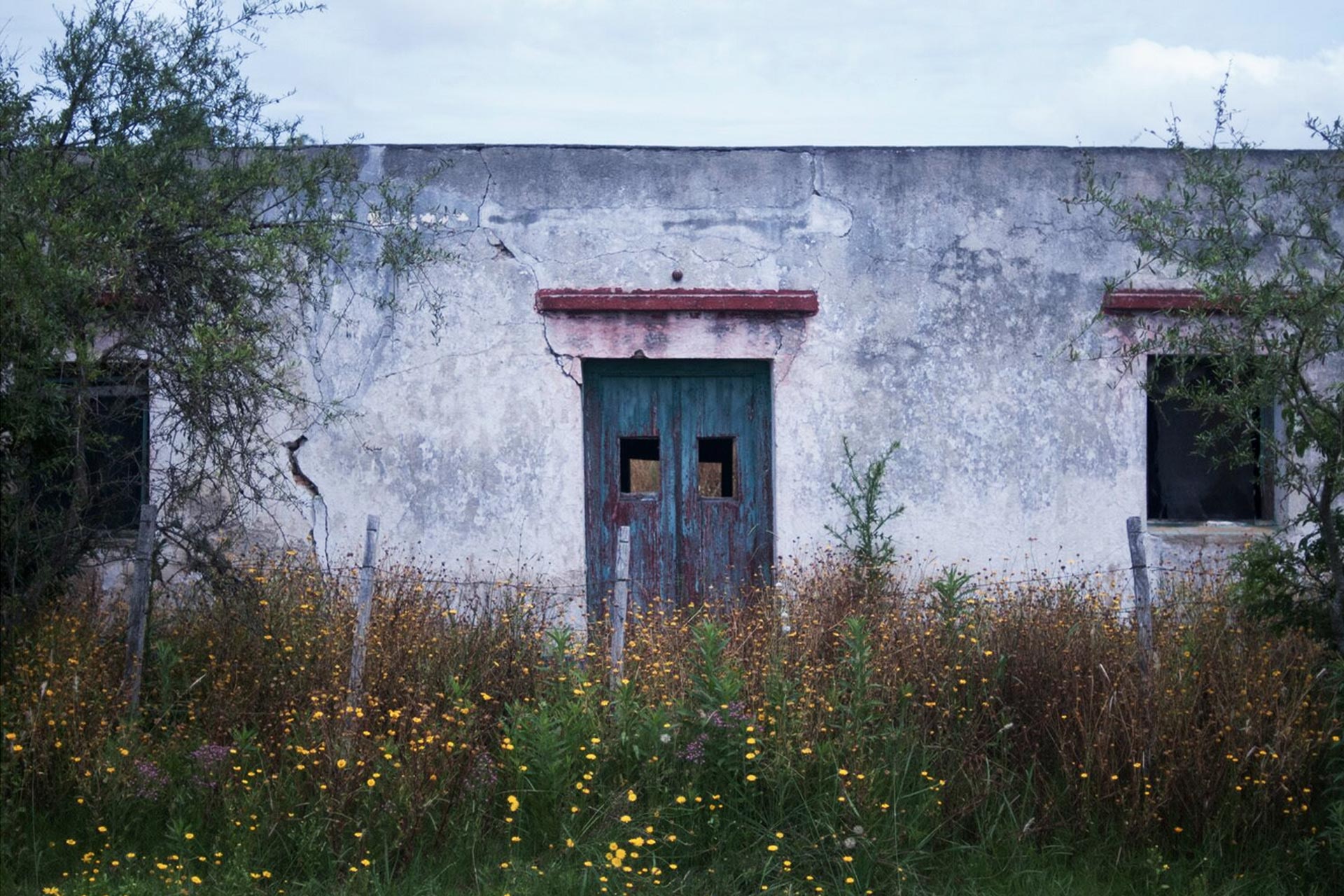
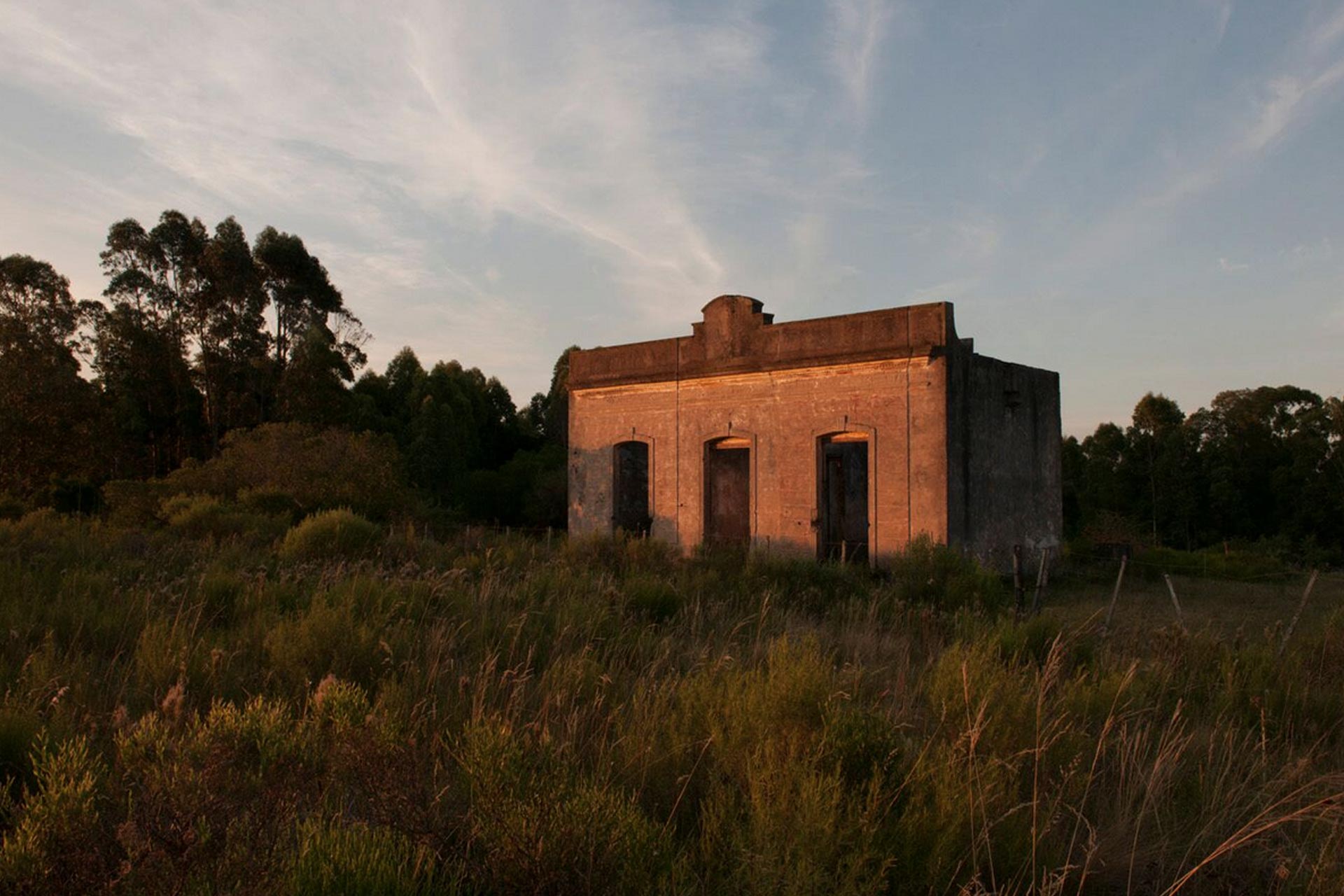
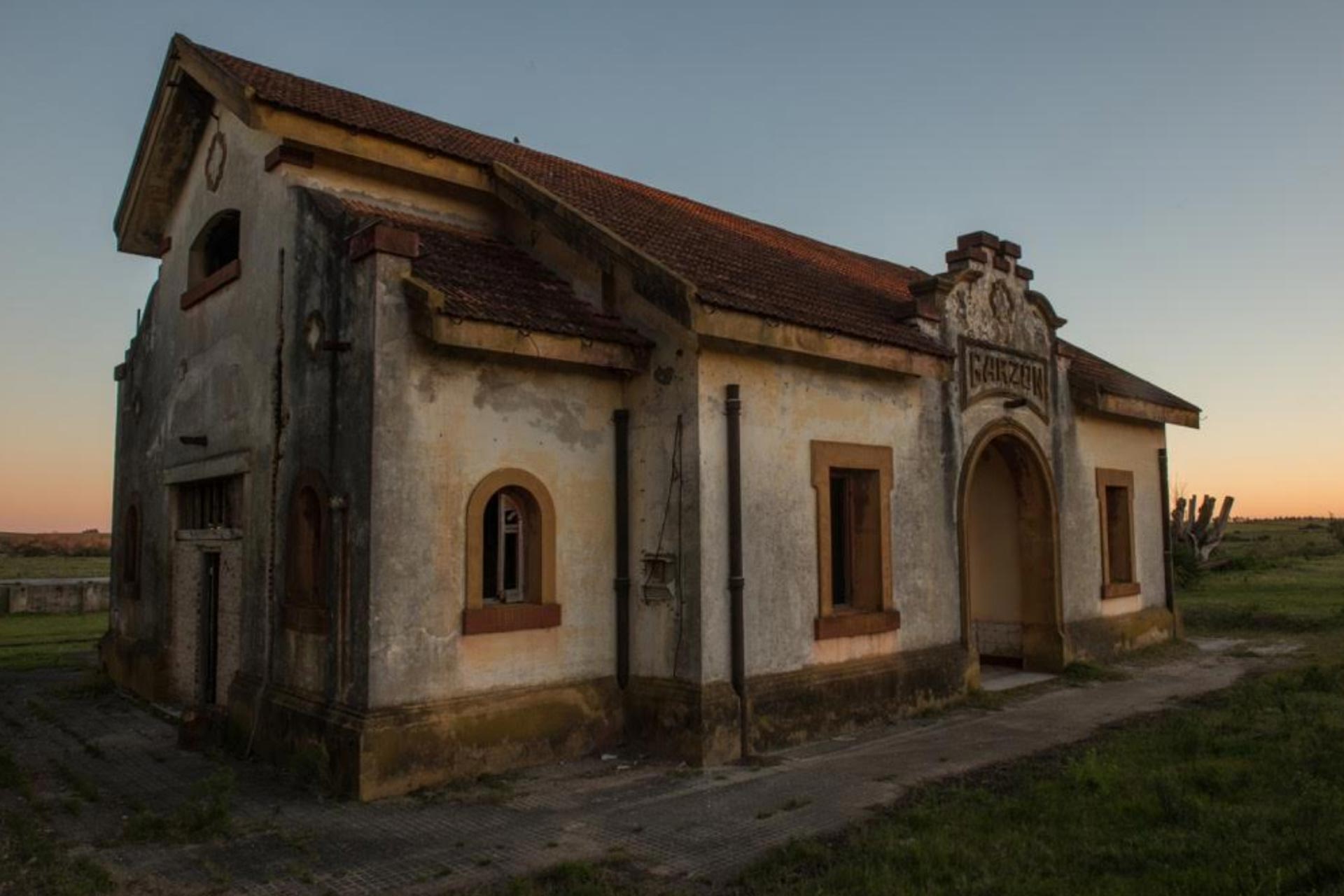
The village of Garzón was founded in 1892 by Mr. Fermín de León.
It served as a stagecoach stop on the Garzón Stream and the Royal Road leading to Rocha, where Governor Vicente Garzón once operated a meat-salting plant.
Until 1940, it had a mill and a population of about 2,000.
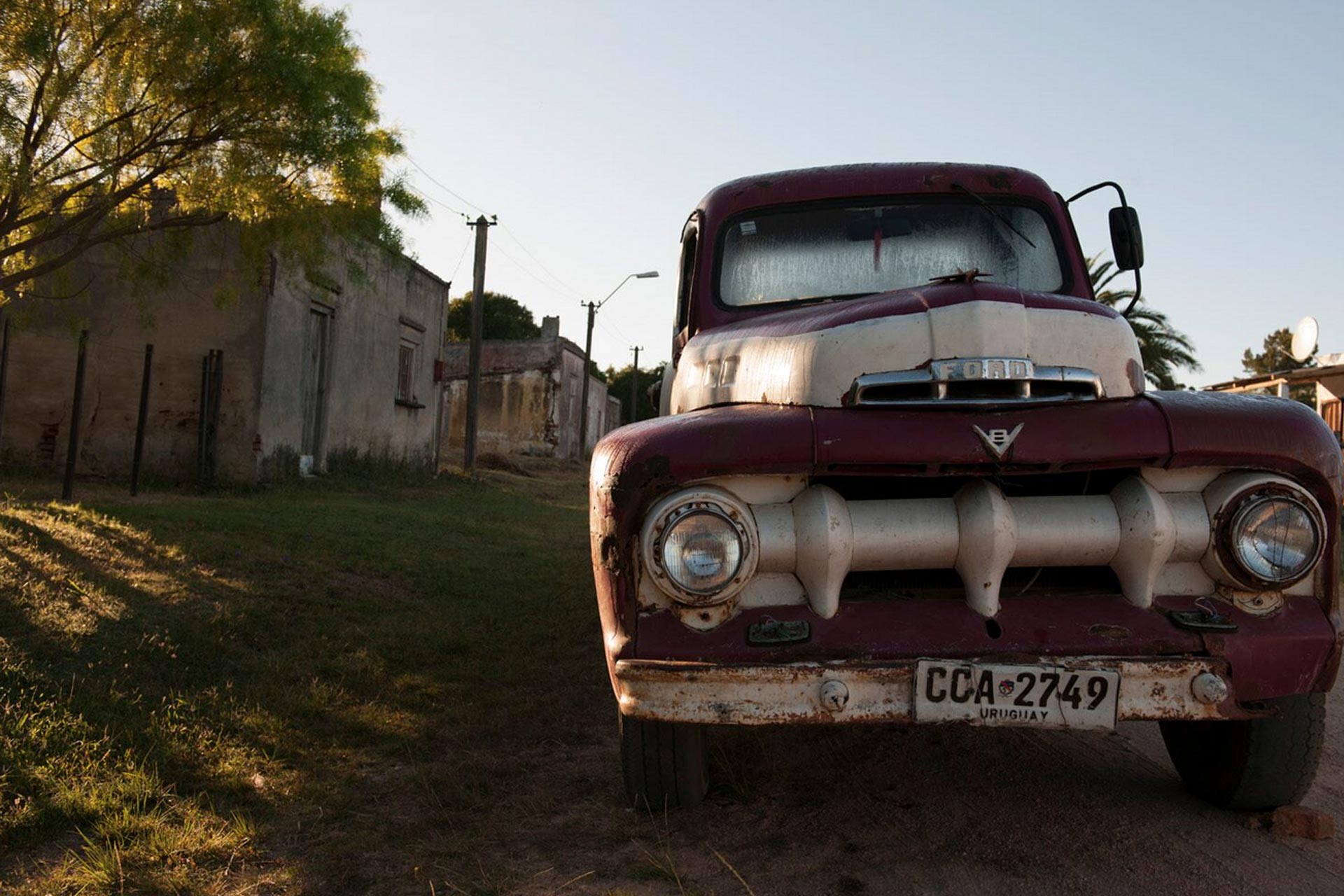
Today, its 200 inhabitants are primarily dedicated to rural activities and the operation of the gray granite quarries that are so prominent in local construction. It is worth noting that several visual artists have settled here, focusing on painting and sculpture.
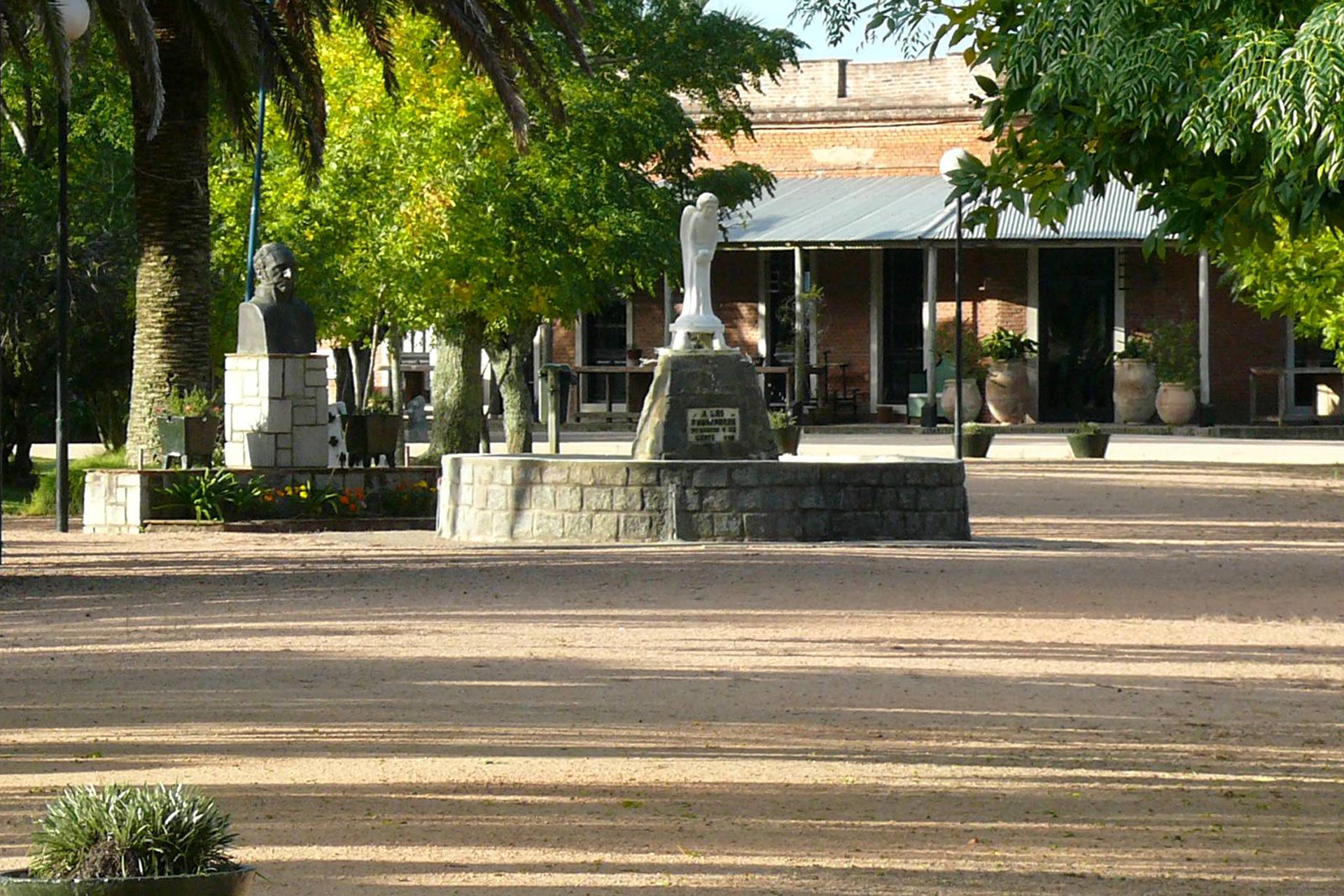
The village square features a carefully planned symmetrical design, with old, shady palm trees framing the chapel and the social club.
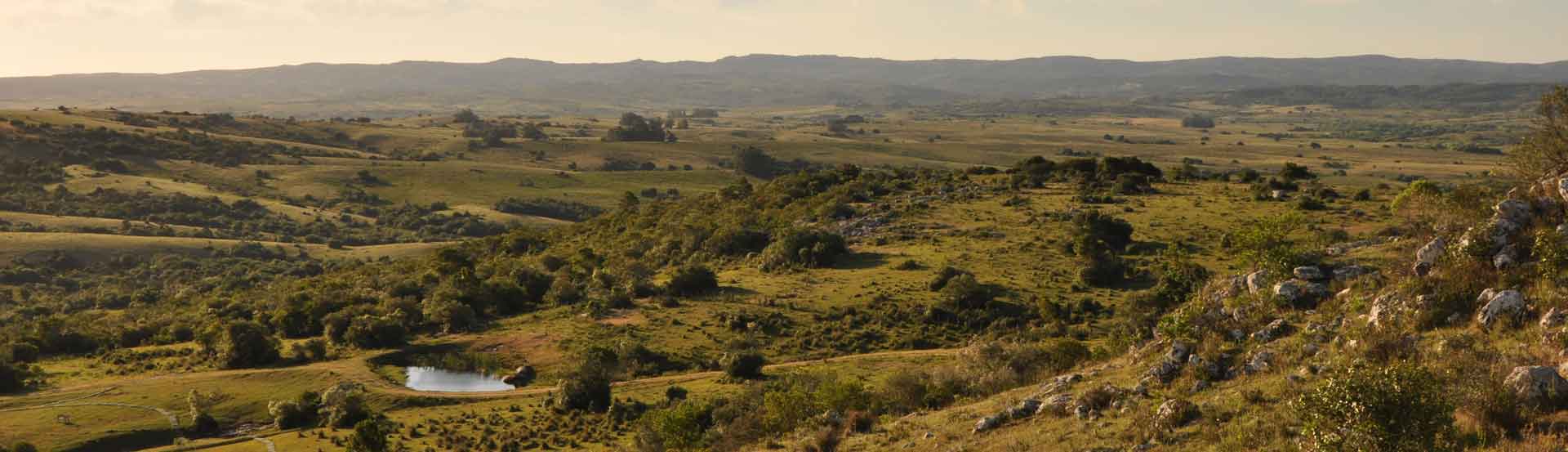
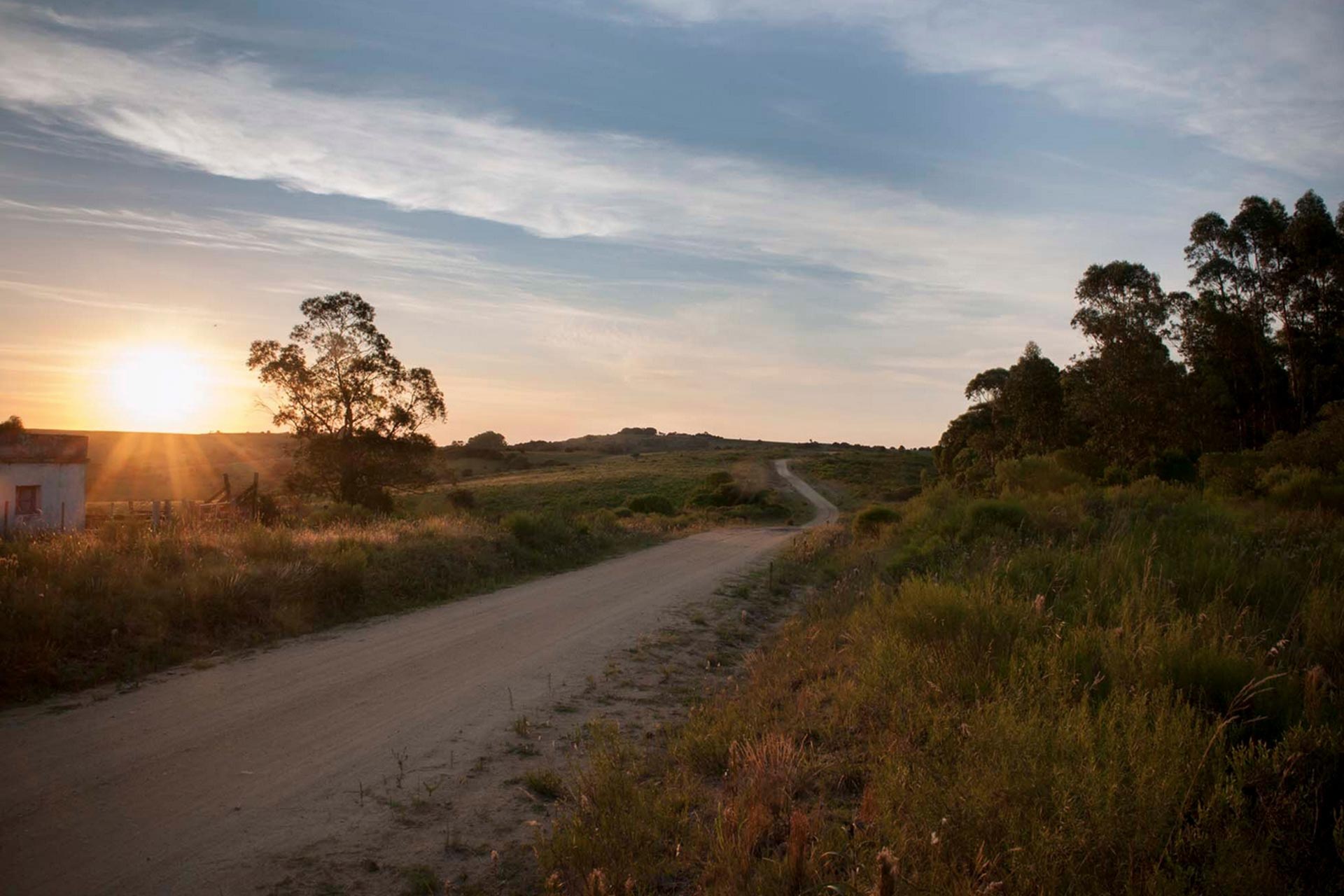
A short distance from the village, you can admire the hills, which—unlike the Uruguayan coast, which was covered with non-native trees—retain the authentic flora and fauna of the region.
The mountain range behind the village, which gives rise to the José Ignacio stream and its tributaries, is a showcase of the local geography. Small streams and waterfalls surround the dense Coronilla forests, home to wild boars, capybaras, rheas, long-nosed armadillos, and nine-banded armadillos, among others. Birds you might spot include the vermilion flycatcher, the white-rumped monjita, owls, and woodpeckers.
Other native trees include the Aruera, Espinillo, and Blanquilla, not to mention the thistles that bloom in the summer.